
LASIK treatment has changed the lives of millions, allowing people to enjoy clearer vision and freedom from glasses or contacts. However, before undergoing LASIK, it’s essential to consider the health of your retina, the sensitive tissue at the back of the eye responsible for visual clarity. Consulting a retina specialist before LASIK treatment can help ensure your eyes are healthy enough for the procedure, minimizing risks and optimizing outcomes.
When contemplating LASIK, it’s natural to focus on the potential benefits. But to experience these benefits fully, evaluating retina health is crucial. Here’s why seeing a retina specialist before LASIK is key for safe, effective vision correction.
Understanding the Basics: LASIK and Retina Health
1. What is LASIK Treatment?
LASIK, or Laser-Assisted In Situ Keratomileusis, is a common laser eye surgery that reshapes the cornea to correct vision problems like nearsightedness, farsightedness, and astigmatism. This minimally invasive procedure offers a quick recovery and lasting results, allowing many to see clearly without reliance on corrective lenses.
2. The Role of the Retina in Vision
The retina is a thin layer of cells at the back of the eye that detects light and sends visual signals to the brain. Any disruption in the retina’s function can impair vision. Issues such as retinal tears, degeneration, or other abnormalities can affect your eligibility for LASIK and even cause complications if left unchecked.
3. How LASIK and Retina Health Interact
Though LASIK surgery focuses on the cornea, the retina’s health still plays a significant role in the success of the procedure. If underlying retinal issues exist, they could worsen or become more difficult to treat after LASIK. Consulting a retina specialist beforehand ensures these concerns are addressed, creating a solid foundation for successful LASIK results.
Why Retina Specialists Are Essential in LASIK Consultations
1. Detecting Underlying Retinal Issues
A retina specialist has the tools and expertise to detect underlying conditions such as retinal tears, macular degeneration, or diabetic retinopathy, which could pose risks during LASIK. By identifying these conditions early, a retina specialist can recommend the best course of action to safeguard your vision.
2. Assessing Candidacy for LASIK
Not everyone is a candidate for LASIK. Certain retina conditions can make LASIK unsuitable or risky. A retina specialist can provide an in-depth assessment of your eye health to determine if LASIK is a safe option for you. This ensures you undergo the procedure only if it’s genuinely beneficial, protecting both your eye health and vision.
3. Customizing LASIK Treatment for Complex Eye Health
For patients with existing retina conditions, a retina specialist can collaborate with the LASIK surgeon to tailor the procedure to your needs. This collaboration helps balance the advantages of LASIK with the need to protect sensitive retinal areas, providing peace of mind and a clearer path to safe, successful outcomes.
Common Retinal Conditions Affecting LASIK Eligibility
1. Retinal Tears and Detachment
Retinal tears and detachment are serious conditions that can impair vision and require prompt treatment. In some cases, LASIK may put additional strain on the retina, potentially exacerbating these issues. A retina specialist can address retinal tears through treatments such as laser therapy, reducing the risks of detachment before considering LASIK.
2. Diabetic Retinopathy
People with diabetes may develop diabetic retinopathy, a condition that affects blood vessels in the retina. This can lead to vision loss if untreated and might complicate LASIK outcomes. A retina specialist can help manage diabetic retinopathy and advise on whether LASIK is appropriate.
3. Macular Degeneration
Macular degeneration is an age-related condition that affects central vision, often leading to vision loss over time. Because this condition impacts the retina, it may influence LASIK suitability. A retina specialist can determine whether LASIK would benefit your vision or if alternative treatments are more suitable.
4. Retinal Scars and Degeneration
Certain individuals may have scars or thinning areas in the retina, which can increase LASIK risks. A retina specialist can evaluate these areas to decide if they may complicate the procedure. In many cases, addressing these retinal concerns first can pave the way for safer LASIK treatment.
Steps a Retina Specialist Takes to Prepare You for LASIK
1. Comprehensive Eye Examination
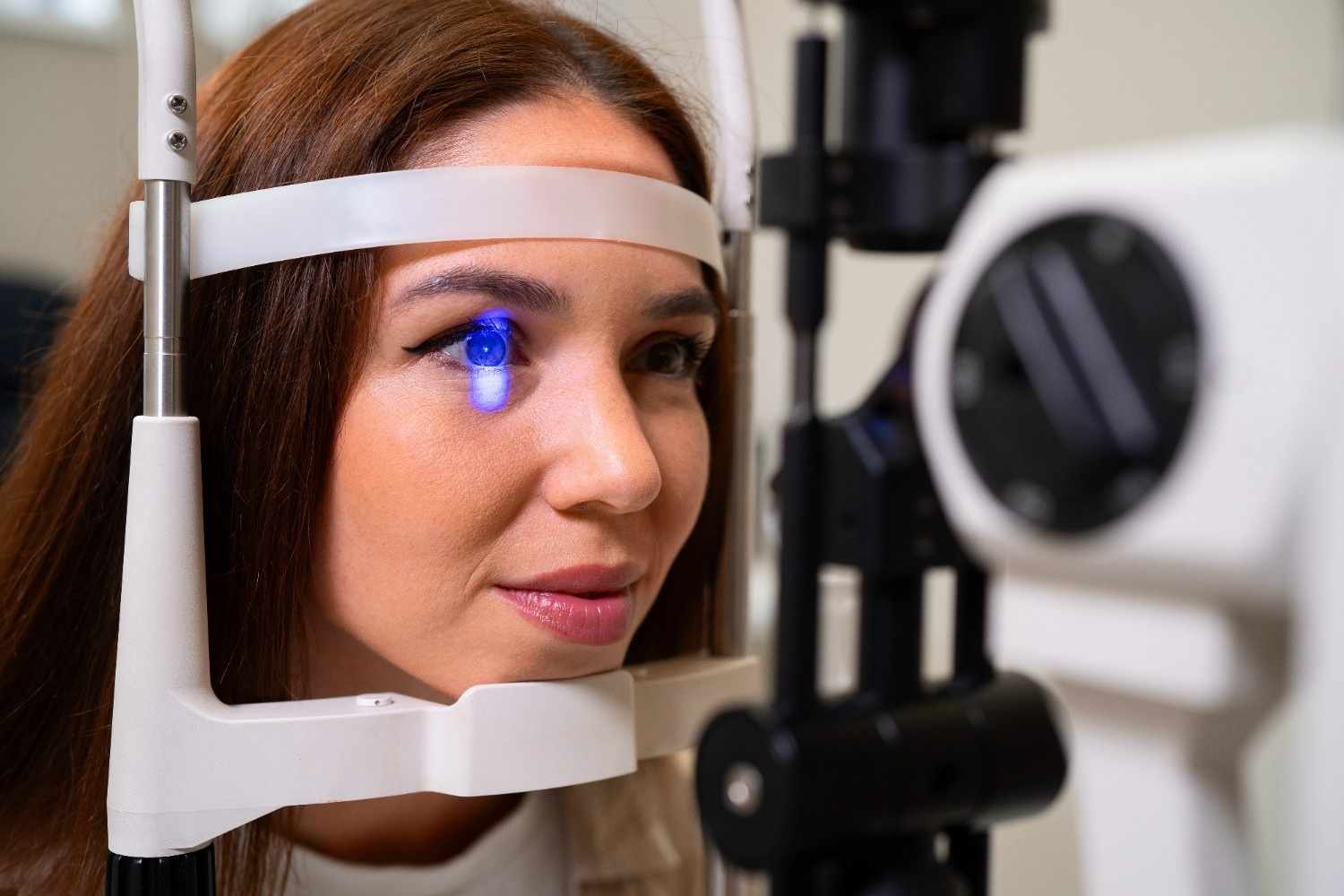
A retina specialist performs a thorough examination to detect potential retinal issues. This evaluation goes beyond standard vision checks, using advanced imaging tools to capture detailed images of the retina and spot any abnormalities that could impact LASIK.
2. Diagnostic Testing and Imaging
Tests such as Optical Coherence Tomography (OCT) and fundus photography provide clear images of the retina’s structure, helping specialists detect subtle irregularities. These diagnostics are essential in crafting a personalized LASIK plan based on your specific retina health.
3. Providing a Customized Treatment Plan
If a retinal issue is detected, the specialist can recommend a treatment plan tailored to your eye health. This plan might include addressing the retinal condition before moving forward with LASIK or exploring alternative vision correction options if LASIK isn’t suitable.
Why Retina Health Should Be a Priority Before LASIK
1. Protecting Long-Term Vision Health
LASIK is a life-changing procedure, but it’s essential to ensure that it doesn’t negatively impact your retina health. A specialist’s insights can help protect your long-term vision and prevent avoidable complications, so you can enjoy the benefits of LASIK with peace of mind.
2. Ensuring the Best Possible LASIK Outcomes
By addressing retina health concerns, a retina specialist enables you to achieve the best possible results from LASIK. Patients with healthy retinas are more likely to experience stable, clear vision after LASIK and encounter fewer post-operative complications.
3. Reducing Risks of Post-Operative Complications
Unchecked retinal issues can sometimes lead to complications after LASIK, such as blurred vision or even retinal detachment in rare cases. When a retina specialist assesses and treats these issues beforehand, the risk of complications significantly decreases.
Finding a Trusted Eye Hospital for LASIK and Retina Care
When choosing a facility for LASIK and retina care, selecting an eye hospital with highly qualified specialists is crucial. Look for an eye hospital that combines advanced technology with experienced retina specialists and LASIK surgeons who prioritize patient safety. Such hospitals can provide thorough consultations, state-of-the-art diagnostics, and a patient-centered approach, making them a trusted choice for your eye health.
One such reputable institution is Maxi Vision, known for its commitment to excellence in eye care. With a team of experienced retina specialists and LASIK experts, Maxi Vision offers comprehensive care that emphasizes both vision correction and retina health. This collaborative approach ensures that each patient’s unique needs are addressed, creating a safer, more effective LASIK experience.
Conclusion
LASIK treatment can provide a remarkable improvement in vision, freeing patients from glasses and contact lenses. However, protecting retina health is essential to ensure the safety and effectiveness of the procedure. Consulting a retina specialist first can help identify any underlying retinal issues and tailor the LASIK treatment to your individual needs, minimizing risks and enhancing outcomes.
Maxi Vision, a super speciality eye hospital, stands out as a trusted choice for those seeking LASIK treatment and retina care. With a focus on patient safety, advanced technology, and personalized care, Maxi Vision’s team of experts is dedicated to helping patients achieve clear vision while safeguarding their retina health. Prioritizing retina health through specialist consultation is a wise first step toward the life-changing benefits LASIK offers.




Write a comment ...